Fun Questions For Couples: A 7-Day Reset for More Clarity and Less Spiraling
You do not need to solve your whole future tonight. Seven deliberate days can reveal more than seven hours of checking, chasing, or replaying the same thought. That is why this guide approaches fun questions for couples as a real-life decision, not a performance. You will get one focused practice for each day and a way to measure real progress. The goal is not to drain the topic of mystery or hope. It is to keep hope connected to consent, evidence, emotional safety, and actions you can actually choose. You can share a home, a calendar, and a hundred daily updates while barely touching each other’s inner world. Curiosity brings the person back into focus.


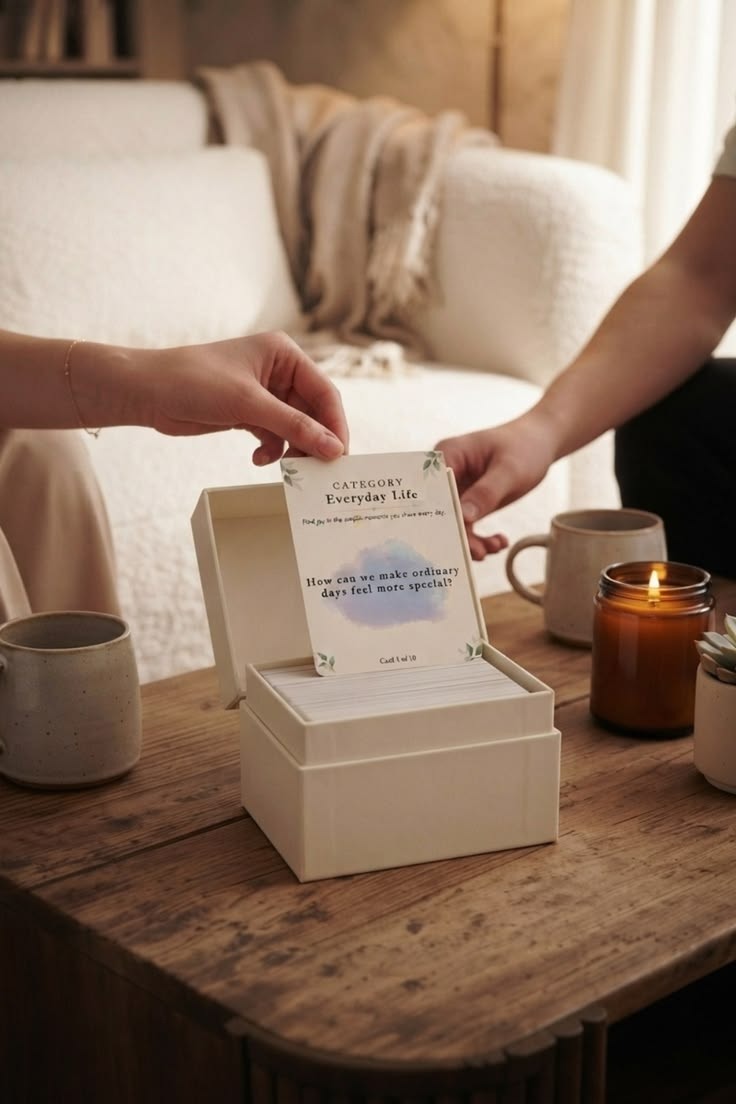
What This Reset Is Designed to Change
Open-ended questions invite elaboration and responsive listening. The benefit is not collecting facts; it is showing that each partner’s current thoughts still matter. In practice, fun questions for couples becomes useful when it helps you notice a pattern and respond differently. It becomes less useful when it asks you to ignore facts, surrender your judgment, or treat another person’s autonomy as an obstacle.
A good rule is to separate three layers: what happened, what you fear it means, and what you can do next. That small separation reduces urgency. It also makes fun questions for couples easier to use as a reflective tool rather than a source of endless reassurance.
The 7-Day Fun Questions For Couples Reset
This is not a countdown to a guaranteed outcome. It is a way to see whether fun questions for couples can support steadier choices.
Day 1 — Separate fact from story
Make two columns. Put observable events on the left and interpretations on the right.
Day 2 — Regulate the body
Take a walk, lengthen your exhale, eat regularly, and delay major decisions until the urgency drops.
Day 3 — Name the real need
Choose the need beneath the question: clarity, reassurance, repair, belonging, protection, or closure.
Day 4 — Audit the pattern
Review the last month, not the last message. Look for consistency, reciprocity, and repair.
Day 5 — Make one clear request
When contact is safe and welcome, ask directly for information or behavior you need.
Day 6 — Practice a boundary
Decide what you will do if the same pattern continues. Keep the boundary within your control.
Day 7 — Review without drama
Notice what changed in sleep, checking, mood, and action. Choose the next week from evidence.
What to Track During the Week
These signs do not automatically prove a conclusion. They show where fun questions for couples needs a slower, more honest look.
Most conversations are about tasks. Check the evidence and one alternative explanation.
Date night defaults to screens. Check the evidence and one alternative explanation.
You assume you already know every answer. Check the evidence and one alternative explanation.
Serious talks feel too loaded to begin directly. Check the evidence and one alternative explanation.
You keep searching for a new answer before testing the last useful insight.. Check the evidence and one alternative explanation.
Your body feels tense, rushed, or unable to tolerate a pause.. Check the evidence and one alternative explanation.
You are collecting signs while avoiding a direct boundary or conversation.. Check the evidence and one alternative explanation.
The promise sounds certain, but the evidence remains vague.. Check the evidence and one alternative explanation.
You feel less like yourself the longer you stay inside the question.. Check the evidence and one alternative explanation.
The Safety Filter to Use Every Time
Before acting on fun questions for couples, run the idea through four filters:
- Consent: Does this respect a clear no, a block, privacy, and the other person’s freedom?
- Evidence: Am I responding to repeated behavior or to a prediction I desperately want to be true?
- Cost: Is this asking for money, secrecy, escalating contact, lost sleep, or isolation from people I trust?
- Agency: Do I leave with a choice I can make, or with pressure to depend on someone else for the next answer?
Stop if fear is being used to rush a payment or decision. Pause if the practice worsens sleep, compulsive checking, or conflict. For abuse, self-harm risk, severe distress, or a mental health crisis, choose qualified local support rather than relying on fun questions for couples alone.
Your Day-Seven Review
Take ten quiet minutes and finish three sentences: “The truth I keep avoiding is…,” “The part of me that needs care is…,” and “The next respectful action is….” This keeps fun questions for couples connected to your life rather than floating above it as an idea.
Then choose a review point. Between now and then, do not keep reopening the decision unless new information arrives. Clarity often appears after your system has had enough time to settle.
Frequently Asked Questions About Fun Questions For Couples
What are good fun questions for couples?
The best prompts are open-ended, specific, and safe enough to answer honestly.
How many questions should we ask?
Five thoughtful questions can create more connection than rushing through fifty.
What if an answer causes conflict?
Slow down, clarify what was meant, and schedule a separate conversation if the topic needs more care.
The Bottom Line
fun questions for couples should help you become more honest, more grounded, and more able to choose—not more frightened or dependent. Keep what supports clarity. Release what asks you to abandon consent, evidence, or yourself.