Fun Questions For Couples: The Psychology Behind Why It Feels So Powerful
There is a reason this topic can take over your attention. Uncertainty, hope, memory, and the nervous system can combine into a feeling that seems bigger than choice. That is why this guide approaches fun questions for couples as a real-life decision, not a performance. You will get a human explanation for the intensity and tools that bring you back to yourself. The goal is not to drain the topic of mystery or hope. It is to keep hope connected to consent, evidence, emotional safety, and actions you can actually choose. You can share a home, a calendar, and a hundred daily updates while barely touching each other’s inner world. Curiosity brings the person back into focus.


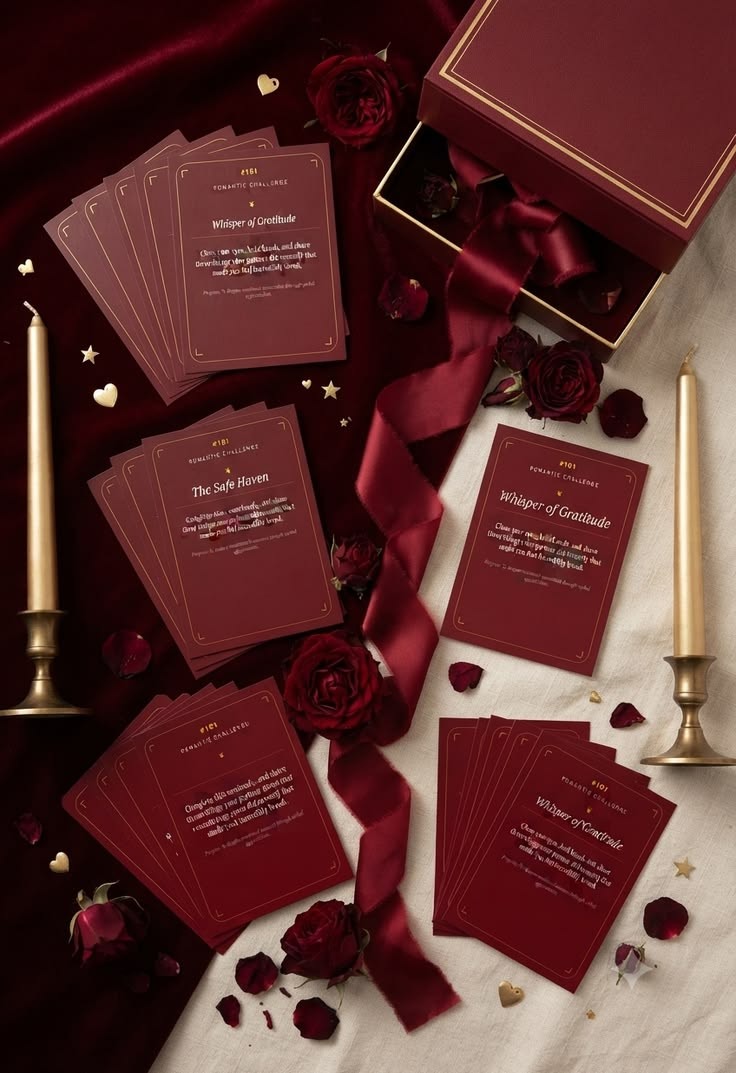
Why Fun Questions For Couples Can Feel So Intense
Uncertainty creates an unfinished loop, and the brain naturally tries to close it. Intermittent attention can make that loop even stronger: a small sign of hope briefly relieves distress, so you want to check again. Confirmation bias then makes matching details stand out while contradictory evidence fades into the background.
None of this means your feelings are fake. It means the feeling and the conclusion are different things. fun questions for couples can become a container for longing, grief, control, or the wish to feel chosen. Naming the emotional job it is doing often brings more relief than arguing with yourself.
Try this: name the sensation, name the story, then name one value. “My chest feels tight. My story says I will lose this. My value is self-respect.” That sequence gives your nervous system a bridge back to choice.
How the Emotional Loop Shows Up
These signs do not automatically prove a conclusion. They show where fun questions for couples needs a slower, more honest look.
Most conversations are about tasks. Check the evidence and one alternative explanation.
Date night defaults to screens. Check the evidence and one alternative explanation.
You assume you already know every answer. Check the evidence and one alternative explanation.
Serious talks feel too loaded to begin directly. Check the evidence and one alternative explanation.
You keep searching for a new answer before testing the last useful insight.. Check the evidence and one alternative explanation.
Your body feels tense, rushed, or unable to tolerate a pause.. Check the evidence and one alternative explanation.
You are collecting signs while avoiding a direct boundary or conversation.. Check the evidence and one alternative explanation.
The promise sounds certain, but the evidence remains vague.. Check the evidence and one alternative explanation.
You feel less like yourself the longer you stay inside the question.. Check the evidence and one alternative explanation.
The Meaning Beneath the Method
Open-ended questions invite elaboration and responsive listening. The benefit is not collecting facts; it is showing that each partner’s current thoughts still matter. In practice, fun questions for couples becomes useful when it helps you notice a pattern and respond differently. It becomes less useful when it asks you to ignore facts, surrender your judgment, or treat another person’s autonomy as an obstacle.
A good rule is to separate three layers: what happened, what you fear it means, and what you can do next. That small separation reduces urgency. It also makes fun questions for couples easier to use as a reflective tool rather than a source of endless reassurance.
Five Ways to Regulate and Respond
Use this sequence once before adding more techniques. With fun questions for couples, repetition of a grounded process is more informative than constant switching.
Step 1: Create low-pressure rules
Each person may pass, ask a follow-up, or pause a sensitive topic. Keep the step small enough to repeat when you are tired or emotional. Afterward, write down what changed in your behavior—not only how hopeful you felt.
Step 2: Start playful
Use imagination, memories, and harmless preferences to build warmth. Keep the step small enough to repeat when you are tired or emotional. Afterward, write down what changed in your behavior—not only how hopeful you felt.
Step 3: Move toward meaning
Ask about values, growth, and the kind of support that feels loving. Keep the step small enough to repeat when you are tired or emotional. Afterward, write down what changed in your behavior—not only how hopeful you felt.
Step 4: Reflect before replying
Summarize what you heard instead of turning every answer into your own story. Keep the step small enough to repeat when you are tired or emotional. Afterward, write down what changed in your behavior—not only how hopeful you felt.
Step 5: End with one appreciation
Name something newly understood or deeply valued. Keep the step small enough to repeat when you are tired or emotional. Afterward, write down what changed in your behavior—not only how hopeful you felt.
A Compassionate Reality Check
Take ten quiet minutes and finish three sentences: “The truth I keep avoiding is…,” “The part of me that needs care is…,” and “The next respectful action is….” This keeps fun questions for couples connected to your life rather than floating above it as an idea.
Then choose a review point. Between now and then, do not keep reopening the decision unless new information arrives. Clarity often appears after your system has had enough time to settle.
Frequently Asked Questions About Fun Questions For Couples
What are good fun questions for couples?
The best prompts are open-ended, specific, and safe enough to answer honestly.
How many questions should we ask?
Five thoughtful questions can create more connection than rushing through fifty.
What if an answer causes conflict?
Slow down, clarify what was meant, and schedule a separate conversation if the topic needs more care.
The Bottom Line
fun questions for couples should help you become more honest, more grounded, and more able to choose—not more frightened or dependent. Keep what supports clarity. Release what asks you to abandon consent, evidence, or yourself.