Yes or No Tarot: Get a Clearer Answer Without Fooling Yourself
A binary answer is tempting when your mind is exhausted. Yet the question beneath “yes or no” is often “What choice will help me respect myself?” If yes or no tarot brought you here, you probably do not need another generic answer. You need something that makes the situation feel less foggy—and helps you decide what to do next.
This guide gives you the emotional context, the red flags worth noticing, and a practical way forward. Take what fits your situation; leave anything that asks you to abandon your boundaries or common sense.
Your Online psychic

High Priestess
Known for highly accurate and intuitive love readings.I’ll reveal what’s really happening between you, what they truly feel, and where your connection may be heading.

Luna
I uncover their hidden feelings, true intentions, and the deeper dynamics between you,bringing clarity to what they’re not telling you.
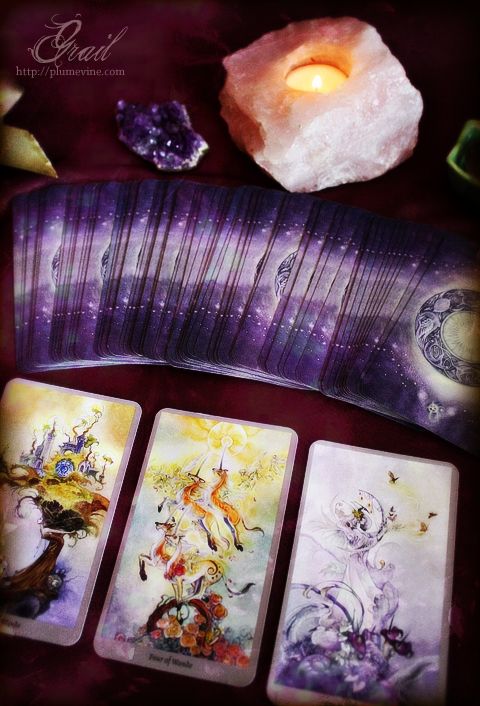
The part nobody tells you about yes or no tarot
A focused card pull can interrupt rumination and offer a symbolic frame. Its value grows when the question is time-bound, within your control, and followed by reflection.
The cards—or the reader—may give language to something you have felt for weeks. Keep the insight. Just do not let symbolism talk you out of what someone’s behavior has already shown you.
Try this question before you read another post, pull another card, or send another message: “What do I know from behavior, and what am I adding because uncertainty hurts?” You do not have to kill the hope. You just need to stop asking hope to do evidence’s job.
Four signs it is time to pause and look closer
- You keep re-asking until the answer changes. When this shows up, ask what fact would make the situation clearer.
- Your question depends entirely on another person’s hidden thoughts. Notice whether this is one unusual moment or a pattern you keep living through.
- You want a guarantee about a high-stakes decision. It matters most when it nudges you to abandon a need or boundary.
- You ignore a “maybe” because uncertainty feels intolerable. Write down what you would tell a close friend in the same position.
Seeing yourself in one of these does not mean you are “too much,” broken, or doomed to repeat the pattern. It means there is a moment where you can interrupt autopilot. That is where change usually begins—not with a dramatic breakthrough, but with one different response.
What to do next without making things worse
1. Ask one clean question
Use one decision, one timeframe, and neutral wording. Do not polish the answer. The first honest sentence is usually the useful one.
2. Choose your method first
Decide how upright, reversed, or card groups map to yes, no, and maybe. Make this specific enough that you could recognize it in an ordinary Tuesday—not only in a fantasy moment.
3. Pull once
Avoid reshuffling to chase reassurance. If your body feels flooded, take ten slow breaths and come back. Clarity rarely arrives while you are in full alarm.
4. Read the condition
Ask what makes the answer more or less likely. You are looking for a repeatable pattern, not one unusually good or bad day.
5. Act on what is yours
Translate the reading into a conversation, boundary, or information-gathering step. Give the change a week, then review what actually happened instead of grading yourself on hope.
You do not need to complete all five steps tonight. Pick the one that makes you feel slightly more grounded—not the one that promises the fastest emotional payoff. Small actions are easier to repeat, and repeated actions are what change a pattern.
A seven-day reality check
For the next week, keep four short notes each evening:
- Fact: What did you actually observe?
- Story: What meaning did your mind add?
- Need: What were you hoping to feel—chosen, safe, respected, free?
- Response: What did you do that protected that need without controlling someone else?
This is where yes or no tarot becomes more than content you consume when you feel anxious. By the end of seven days, you will usually see whether the situation is becoming clearer—or whether you have been surviving on the same tiny piece of reassurance.
When outside support is the kinder choice
Readings can be meaningful reflection tools, but they are not substitutes for medical, legal, financial, or safety advice. A good reading should leave you with more agency—not fear, pressure, or dependence.
Consider outside support when anxiety is affecting sleep or work, conflict feels frightening, you cannot stop checking or contacting someone, or a label has become the only way you can understand the relationship. The right support should widen your choices and make you feel safer in your own life.
A grounded reminder
Come back to this yes or no tarot guide when your mind starts racing ahead of the facts.
The honest takeaway
The real value of yes or no tarot is not a perfect answer delivered at the perfect time. It is the moment you can hear your own needs again, read behavior more honestly, and make one choice you will still respect tomorrow. Wanting love does not make you weak. Losing yourself to keep it is the part you are allowed to change.
Frequently asked questions
How accurate is yes or no tarot?
It is not a scientifically validated prediction method. Use it for reflection and entertainment.
Can I ask about someone’s feelings?
You can, but an agency-based question about what you need to know or do is usually more useful.
What does “maybe” mean?
It can signal incomplete information, unstable conditions, or a question that needs reframing.